

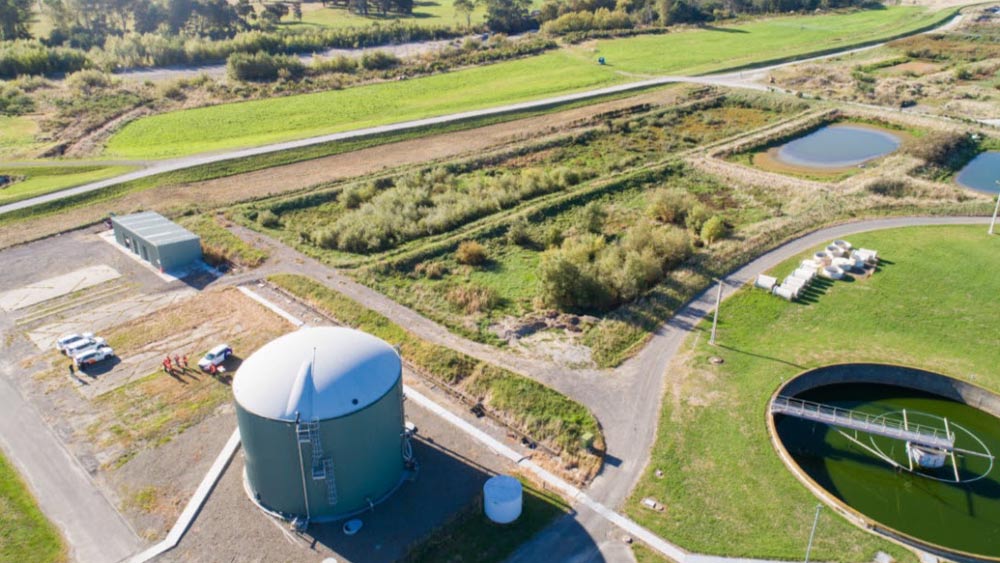
What do food scraps, wastewater and agricultural waste have in common?
They can all help create renewable gas – biomethane.
Everybody Eats' kaupapa of giving rescued food a second life inspires us. It's also a great example of something we're passionate about – finding new ways to make the most of valuable resources. That's where renewable gas, known as biomethane, comes in.
For years, natural gas has been a reliable source of energy, whether that’s heating water, cooking, or running equipment.
Biomethane is made from organic waste such as food scraps, wastewater, and agricultural waste, that would otherwise be discarded. As the waste breaks down, methane is released. This gas is captured and refined into biomethane, which can be used in the same way as natural gas.
Because biomethane is almost chemically identical to natural gas, it can be used in the same appliances you cook and heat with today. The difference is that biomethane captures and puts naturally occurring methane from organic waste to good use, turning a waste product into renewable energy for Kiwi homes.
Biomethane is one of the ways gas is expected to become renewable over time.
When will biomethane be available for my home
Our parent business, Powerco, is working with businesses and councils across our regions to connect biomethane production into our gas network. The goal is to begin blending biomethane into our natural gas network by 2027, with increasing volumes over time.One example is Powerco’s partnership with Manawatū District Council at the Feilding Wastewater Treatment Plant and the wider Manawatū Resource Recovery Park. The biomethane project is progressing and is expected to be operational in 2027.
Find out more about Powerco’s biomethane projects.